

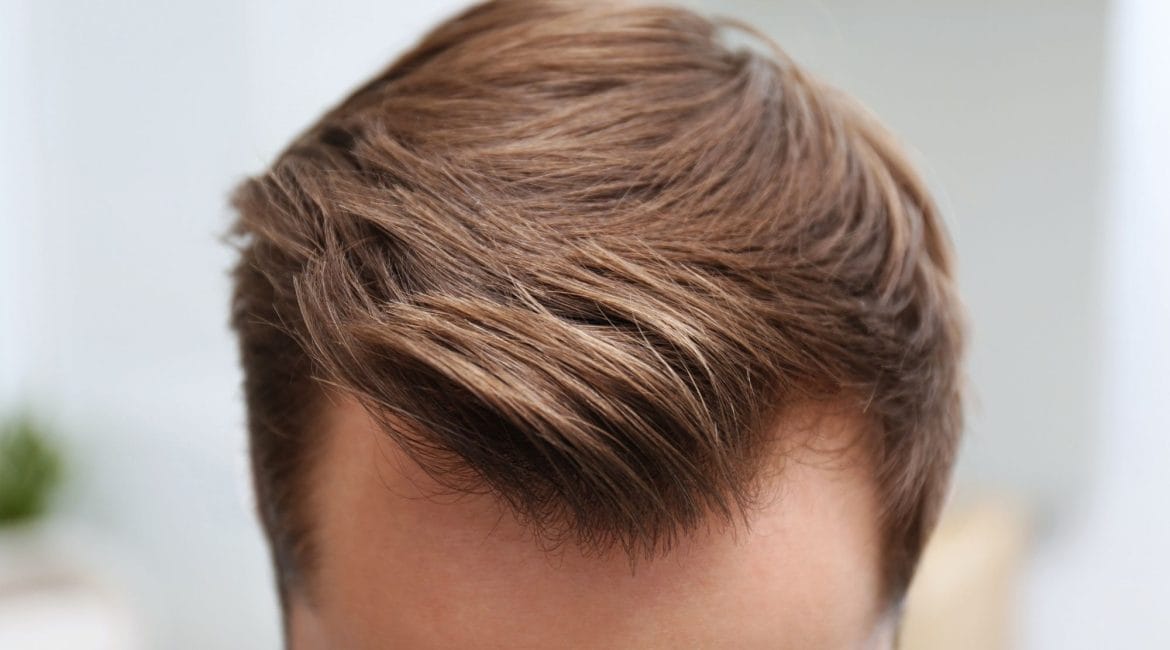
Good aftercare following a hair transplant is just as important as the procedure itself.
The procedure is just the beginning
You have taken the step to restore your hair and confidence. But did you know the journey doesn’t end with the procedure? How you care for your hair afterwards plays an equally important role as the treatment itself.
Hair loss can stem from genetics, stress, poor sleep or an unhealthy diet. A hair transplant offers a solution to restore both hair and confidence. The process has three important stages: preparation, the procedure itself and aftercare. Aftercare is what determines the final result.
Immediately after the procedure
After the operation, patients go home and must carefully protect the scalp. Even minor bumps to the head can affect the stability of the grafts. Doctors often prescribe medication to reduce complications — following these instructions carefully is essential for a smooth recovery.
Swelling or bruising around the eyes may occur in the first few days, but typically disappears on its own within a few days.
Hair care after the transplant
On the first day after the operation, you should not wash your hair to reduce the risk of infection and prevent grafts from becoming dislodged. Once washing begins, use only the recommended shampoos and carefully apply any prescribed lotions to keep the scalp hydrated.
- Avoid high-pressure water, hot water and hair dryers on the transplant area for at least one month
- Limit sun exposure and use a high-SPF sunscreen outdoors
- Avoid smoking, as it reduces the oxygen supply to the scalp
- Avoid alcohol for at least 15 days, especially in combination with prescribed medication
- Avoid activities that cause heavy sweating — sweat increases the risk of infection
- Avoid swimming pools, saunas and sunbeds for one month
- Follow your doctor’s instructions regarding sleeping positions for at least one week after the procedure
“Aftercare takes place at home, but you are not alone. Following the procedure, you will receive a complete aftercare protocol and can always contact our clinic with any questions.”
Possible complications
Hair transplants are generally safe, but mild side effects are possible. It is important to know these so you understand what is normal and when to contact your doctor.
| Side Effect | How Common | What to Do |
|---|---|---|
| Swelling around the eyes | Common | Disappears on its own within a few days |
| Folliculitis | Possible | Responds well to prescribed lotion |
| Itching or pain at donor site | Mildly possible | Steroid cream helps |
| Numbness of the scalp | Rare | Temporary, disappears on its own |
| Bleeding | Rare | Contact the clinic |
The first six months
In the first two weeks, you can expect some redness and scabbing in the transplant area. During this phase, the transplanted hair will appear healthy. Between weeks three and eight, temporary hair loss often occurs — this is normal and is called shock loss.
- Week 1 to 2: redness and scabbing, grafts stabilising
- Week 3 to 8: temporary hair loss (shock loss), this is normal
- Month 3: new hair begins to visibly grow
- Month 6: noticeable difference in density visible
- Month 10 to 12: final result fully visible
Returning to work and sport
Most patients can return to work within two to five days. Light exercise can be resumed after two weeks. Longer waiting periods apply for strenuous exercise or contact sports.
- Day 2 to 5: return to office work possible
- After 2 weeks: light exercise permitted
- After 1 month: strenuous sports can be resumed
- After 3 months: contact sports permitted
Nutrition and vitamins for hair growth
Strong hair growth depends on healthy follicles. A balanced diet with the right nutrients can improve results after the transplant.
- Vitamin E, C, A and B Complex support hair health
- Iron strengthens the immune system and supports blood flow to the scalp
- Zinc aids tissue repair and hair strength
These nutrients are especially beneficial in the first months after the transplant, when the new follicles are establishing themselves and beginning to grow.
What can you expect?
With careful aftercare, a balanced diet and a gradual return to normal activities, a hair transplant leads to lasting and natural results.
The procedure itself takes one day. The result lasts a lifetime. If in doubt, always contact your doctor — at HM Hair Transplant, you are never on your own.