

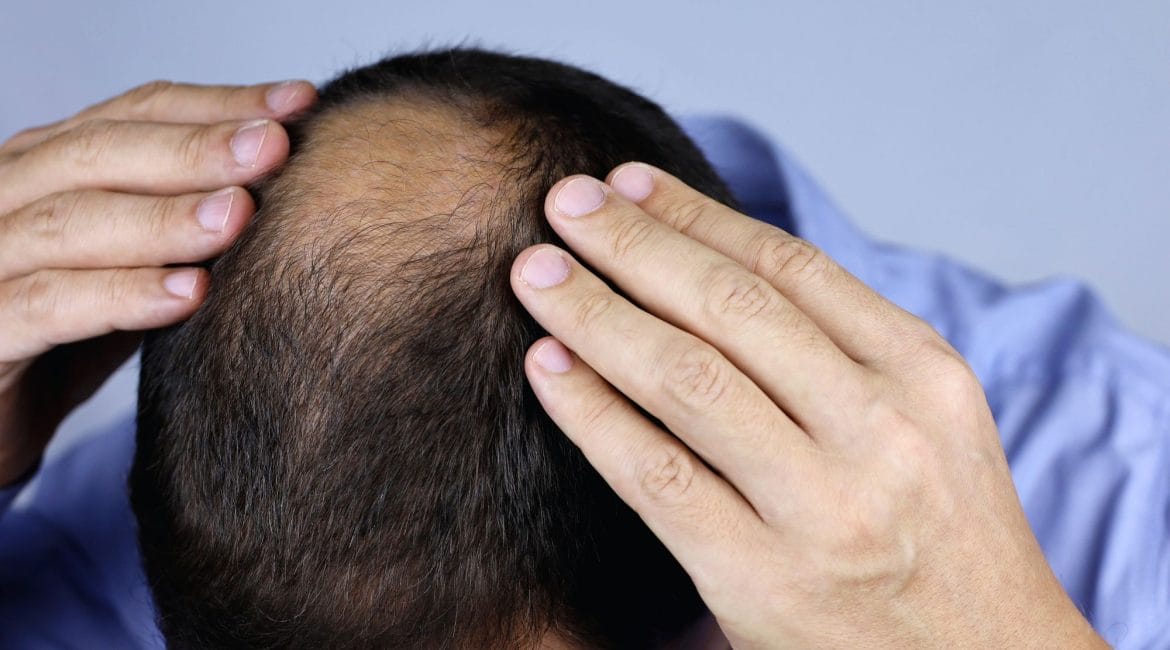
A successful hair transplant starts with choosing the right clinic, setting realistic expectations and careful planning.
Why some FUE hair transplants fall short
Wondering why some people do not achieve the results they hope for with a FUE hair transplant? Although this procedure is popular and often successful, certain factors can influence the outcome. From choosing the right clinic to setting realistic expectations, here is a guide on what can lead to disappointment and how to achieve the best results.
A successful hair transplant depends on various factors, from the expertise of the surgeon to the unique needs and expectations of the patient. By understanding these factors you can make informed choices, align your expectations and avoid common pitfalls.
What defines a failed FUE hair transplant?
A FUE hair transplant is considered unsuccessful when the results after one year do not match the patient’s expectations. This leads to dissatisfaction, but in many cases it can be prevented by making the right choices before the procedure.
Choosing the right clinic
Many people choose to undergo a FUE hair transplant abroad, attracted by affordable prices and the promise of high-quality results. When researching clinics, it is important to verify the qualifications of the person performing the procedure.
The growing demand for hair transplants has led to an increase in clinics, some managed by technicians rather than certified doctors. Non-doctors can call themselves hair transplant coordinators. Always ask for visual proof of your doctor’s diploma to confirm their qualifications.
Patient reviews are also valuable, offering insight into previous experiences, post-operative support and patient satisfaction. This feedback helps you assess how well a clinic meets expectations and provides quality care.
Setting realistic expectations
Some clinics overpromise to attract patients. This can cause disappointment when the actual results do not live up to the promises. Some patients also have unrealistic expectations, assuming that a hair transplant will deliver a complete transformation.
Reviewing the Hamilton Norwood scale, which is used to measure stages of hair loss, can help you understand what is possible based on your personal situation. Knowing your stage and how many grafts you need can prevent disappointment and help you approach the procedure with a realistic mindset.
| Cause | What goes wrong | How to avoid it |
|---|---|---|
| Wrong clinic | Technician instead of certified doctor performs the procedure | Check the diploma and ask for proof of qualifications |
| Unrealistic promises | Clinic promises more than is achievable | Compare multiple clinics and read patient reviews |
| Planning errors | Too low density or wrong treatment area | Follow your doctor’s advice |
| Unsuitable candidate | Donor area has insufficient grafts available | Have your suitability assessed during a consultation |
| Poor aftercare | Grafts are damaged due to incorrect care | Follow the full aftercare protocol strictly |
“Successful FUE hair transplants depend on choosing a reputable clinic, setting realistic expectations and making sure you are a suitable candidate.”
Errors in the planning phase
Effective planning is crucial to achieving a natural and satisfying result. During a FUE hair transplant, the doctor plans the areas to be treated, balancing the patient’s wishes against realistic outcomes.
Achieving sufficient density is essential for a natural appearance. If the area to be treated is too large and the density too low, the results may be less satisfying. While your preferences matter, following your surgeon’s advice can help achieve the best possible outcome.
Unsuitable candidates for hair transplantation
The success of a FUE hair transplant depends on the type and stage of hair loss, family history and medical background. Some forms of hair loss, including those related to medical conditions, may not respond well to transplantation. Your doctor may recommend additional tests to assess your suitability.
An important factor is the density of your donor area. If the donor area does not have enough grafts, it may not be feasible to achieve the desired coverage in the recipient area. In such cases, hair simulation or micropigmentation may offer better solutions.
Increasing your chances of success
Successful FUE hair transplants depend on choosing a reputable clinic, setting realistic expectations, following post-operative care instructions and making sure you are a suitable candidate.
By paying attention to these factors you increase your chances of achieving satisfying, natural-looking results. At HM Hair Transplantation we guide you honestly and transparently through this entire process.