

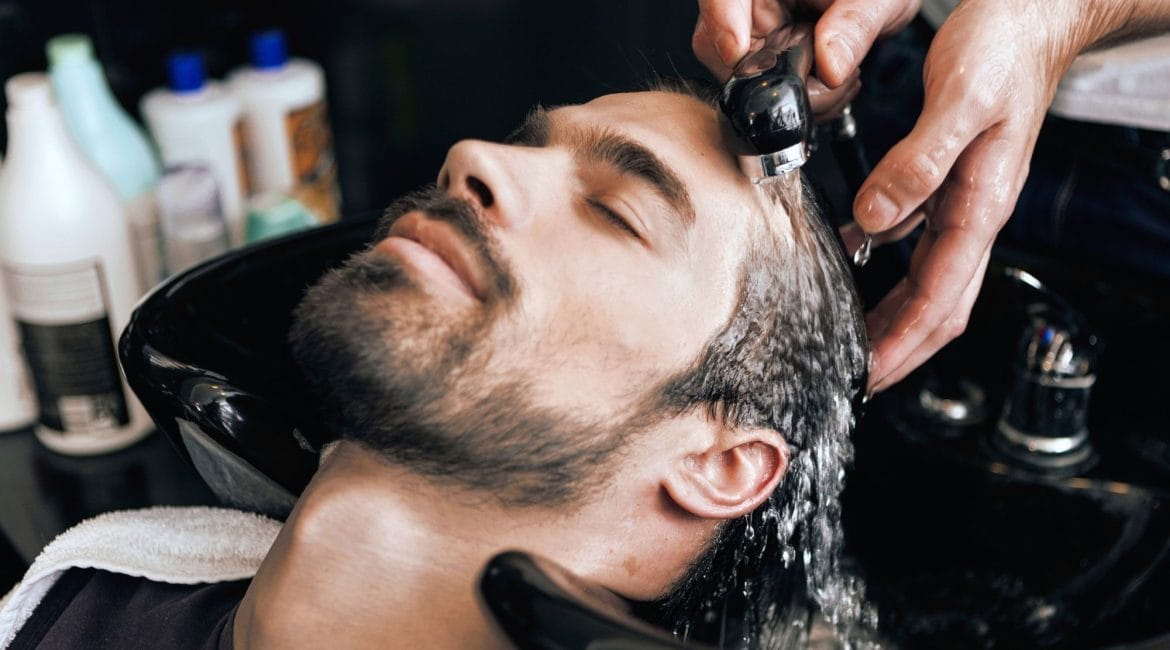
The correct washing technique in the first days is decisive for a successful result.
The days after the procedure are just as important
Wondering how to protect your new hair and achieve the best results after a transplant? By following the right washing techniques you give your transplanted hair the best chance to settle and grow naturally.
The washing process after a hair transplant may seem straightforward, but it requires extra care and attention, especially in the first days. Recently transplanted hair is delicate and has not yet fully anchored in the scalp. With the right products, gentle techniques and patience you will keep your hair and scalp healthy.
Determining the first wash
Timing is crucial for the first wash after a hair transplant. Doctors usually recommend waiting 2 to 4 days after the transplant, depending on your healing process. Avoid washing on the day after the operation.
Once you are ready to wash, use only gentle, paraben-free medical shampoos designed to nourish and protect your scalp. Avoid regular shampoos as these can be too harsh during the healing phase.
Techniques for safe washing
When washing, avoid hard impacts to the head and direct pressure on the transplanted area. Do not use nails and avoid circular or sideways movements, especially in the first week.
- Use gentle, vertical touches with your fingertips
- Make sure the water is warm but not hot
- Keep the water pressure low to protect the sensitive grafts
- Ask someone to help you with the first wash for extra safety
“Care in the first week is decisive for the final result. Gentle, vertical movements cleanse the scalp without disturbing the grafts.”
Applying Panthenol spray
Start by applying Panthenol spray to the transplanted area. Leave it on for 40 minutes, or 20 minutes if you are short on time. Apply a thin layer to cover the grafts and if possible spray onto the donor area as well.
Panthenol spray is recommended for the first 15 days to keep the scalp hydrated. Bepanthol body lotion is a good alternative if Panthenol is not available. After 15 days, once there are no more scabs, you can stop using the spray, although you may continue to use it as a moisturiser.
How to wash the transplanted area
| Step | What you do | Why it matters |
|---|---|---|
| 1. Set the water | Gentle, warm flow without high pressure | Protects the grafts that have not yet anchored |
| 2. Apply shampoo | Lather shampoo in your hands, gently dab with fingertips | Prevents direct pressure on the transplant area |
| 3. Cleanse | Gentle vertical movements for 15 minutes | Cleanses without dislodging grafts |
| 4. Scabs (day 13) | Gently massage to remove scabs | Only permitted from day 13 onwards |
| 5. Rinse | Gentle flow, rinse shampoo out thoroughly | Prevents residue that causes irritation |
Rinsing and cleaning the donor area
Once the transplanted area is clean, adjust the water pressure to a gentle flow and rinse out the shampoo thoroughly. Clean the donor area with shampoo using slightly firmer but careful pressure to remove tissue residue and dried blood. This keeps the area clean and reduces the risk of infection. Rub gently in the first week to avoid irritation.
Drying and applying Fucicort cream
After washing, pat your scalp dry with a paper towel. Avoid using a regular towel as it can pull at the grafts and cause damage.
Apply Fucicort cream only to the donor area and avoid the transplanted area. This cream soothes and protects the donor area. You can stop using it after 15 days when the area has healed sufficiently.
The foundation for healthy growth
By following these steps and providing careful aftercare you give your transplanted hair the best foundation for healthy growth and full, natural results.
At HM Hair Transplantation you receive a complete aftercare protocol after your procedure. You are never on your own.